
Heat intolerance is usually a symptom of endocrine disorders, drugs or foods we take, or their medical conditions, rather than the result of too much exercise or hot, humid weather.

What happens to your body in Heat Intolerance
Heat intolerance is a symptom where a person is intolerant and feeling uncomfortable to changes of temperature particularly heat. It usually comes on slowly and lasts for a long time, but it may also occur quickly and be a serious illness.

The hypothalamus helps your body keep a delicate balance of temperature regulation between heat and cold. It does this by sending a signal to your body to produce sweat when it gets too warm. The sweat cools off the body as it evaporates. For some, this balance cannot be maintained.
When you suffer from heat intolerance, it is often because your body is not regulating its temperature properly. Your body regulates its temperature by maintaining a delicate balance between hot and cold. Typically, the person feels uncomfortably hot and sweats excessively.
Causes of Heat Intolerance
Heat intolerance has a variety of potential causes.
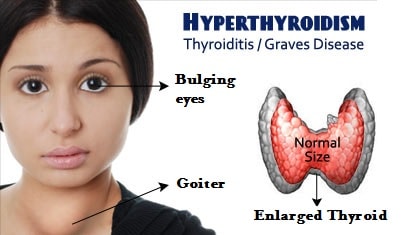
- Hyperthyroidism: Hyperthyroidism occurs when your thyroid produces too much of the hormone thyroxine. Thyroxine affects the regulation of your body’s metabolism. An excess of this hormone can cause your body’s metabolism to increase, which leads to a rising body temperature. Graves’ disease is the most common cause of hyperthyroidism. Graves’ disease is an autoimmune disorder. In this disease, the immune system produces antibodies that make the thyroid produce too much thyroid hormone.
- Medication/Drugs: One of the most common causes of sensitivity to heat is medication. Allergy medications can inhibit your body’s ability to cool itself by preventing sweating. Blood pressure medications and decongestants may decrease the blood flow to your skin. This also inhibits sweat production. Decongestants can cause increased muscle activity, which can raise your body’s temperature.
- Caffeine: Caffeine is a stimulant that can increase heart rate and speed up metabolism. This can cause your body temperature to rise and lead to heat intolerance.
- Multiple Sclerosis (MS): Multiple sclerosis is a debilitating disease that affects your central nervous system, which is made up of your brain and spinal cord. This disease affects the protective covering, or myelin, of the nerves of your central nervous system. If your myelin is damaged, your body’s nerve signals become interrupted. This condition can lead to heat intolerance.
- Foods: Chinese uses the terms “heaty” or “heatiness” to describe the kinds of foods he/she would like to avoid. Such concepts are very much part of the indigenous culture and are commonly used as a form of expressing a certain set of symptoms or sensations which can cause heat intolerance.
- Menopause: Hot flashes are a common occurrence for most women during menopause. They can range from barely noticeable to feeling so overheated that you sweat profusely. Women can also experience heat intolerance without the usual hot flashes and it can be more than just uncomfortable. Heat intolerance during menopause is typically chronic, but will usually disappear within two years.
Symptoms: What people with heat intolerance feels
Being heat intolerant can make you feel as though you are overheating. Heavy or profuse sweating is also extremely common in those that suffer from heat intolerance. The symptoms may occur gradually, but once the intolerance develops, it usually lasts for a day or two.
The most common symptom is dizziness and feeling very hot. Other symptoms can include rapid pulse, feeling faint, nausea, vomiting, flushing, heart palpitations, and headaches.

How to Diagnose
Diagnosis is usually a complex process due to the sheer number of possible causes and related symptoms. Diagnosis is largely made from the patient history, followed by blood tests, and other medical tests to determine the underlying cause. In women, hot flashes must be excluded.
Medical Treatment and Prevention
Treatment is directed at making the affected person feel more comfortable, and, if possible, resolving the underlying cause of the heat intolerance.
There are a number of ways to treat or alleviate heat intolerance and make you more comfortable in warmer weather. These include:
- Get your thyroid checked. If you have symptoms of overactive thyroid, see your doctor for testing. An overactive thyroid can cause heat intolerance, and treating your thyroid problem can eliminate the symptoms.
- Avoid caffeine and amphetamines. Eliminating or reducing caffeine intake can eliminate heat intolerance. Discuss with your doctor any medications you might be taking that contain amphetamines and look for alternatives.
- Drink plenty of fluids. Keeping hydrated can help keep your body cool and adding drinks with electrolytes can help your body maintain better body temperature control. Drinks that are low in sugar are preferred.
- Supplement with magnesium. Heat intolerance can be a symptom of stress or anxiety. In many cases, supplementing with magnesium can have a calming effect on the body, reducing stress, and eliminating stress-related heat intolerance.
- Try black cohosh. If you are suffering from heat intolerance due to menopause, a supplement of black cohosh can help alleviate heat intolerance. Numerous studies have demonstrated its effectiveness for hot flashes and overheating.
- Avoid spicy foods. Spicy foods can cause the body to overheat due to the presence of capsaicin, which can cause a burning sensation. It is used in topical creams to alleviate pain, but it can cause heat intolerance. Limiting your intake of spicy foods can relieve symptoms.
- Dress in layers. If you wear multiple layers during the day, they can be easily removed to accommodate your increased body temperature and help you feel more comfortable.
- Wear breathable clothing. Clothing made of natural fibers such as cotton and linen allows your perspiration to evaporate, cooling off the skin and helping you feel more comfortable. You can also wear wicking fabric while exercising to remove excess perspiration from your skin.
Heat intolerance related to chemicals and foods (A real story)
I have been experiencing generalized excessive sweating, feeling hot all the time, flushing, but these symptoms have gotten much better as I have been getting treated for my allergies through an allergy elimination treatment called NAET. I had so many of them. I feel better and have more energy but since I think my heat and excessive sweating symptoms are linked to an allergy to chemicals, facial flushing, and heat intolerance.
I am getting treated for the chemicals as well as an allergy to certain hormones. I have heard many success stories with this treatment. If you have allergies, find a NAET practitioner near you. Seriously, it saved my life. I can eat most foods without stomach ache now and I have almost cured my hypoglycemia.

Heat Intolerance Treatment
With us, we get to the root of what is causing the heat intolerance. It could be the blockages which causes the body to not accept the heat energy, or it could be the certain food groups or medications which trigger the symptoms of heat intolerance.
We will make the diagnosis easier using muscle response testing to see if you have any blockages in the meridians which hinder the acceptance of heat energy, foods, or medications in your body, therefore aggravating the heat intolerance symptoms.
There are certain foods that can trigger heat intolerance symptoms or sensations often associated with emotional or physical reactions such as:
- Feelings of irritability
- Short temper
- Fever
- Constipation
- Flushed face or cheeks
- Dark yellow urine
- Sore throat
- Nose bleed
- Outbreak of pimples and acne
- Rashes
- Mouth ulcers
- Indigestion
The constitution of each person is influenced by congenital factors as well as the acquired lifestyle (such as diet, stress level, amount of exercise and sleep, living environment), and this varies from person to person. In other words, different foods act upon the human body in different ways and affect our state of health. The body’s metabolism, functioning of organs and organ structure all combine to determine our susceptibility to these heaty effects of foods.
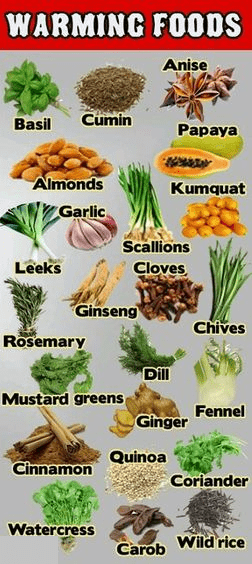
Heaty foods that can cause heat intolerance are the foods that grow under the hot sun, are sweet, have lots of fats, and rich in sodium, and are hard, dry, or spicy.
Pepper, cinnamon bark, ginger, soybean oil, red and green pepper, chicken, apricot seed, brown sugar, cherry, chestnut, chive, cinnamon twig, clove, coconut, coffee, coriander (Chinese parsley), date, dillseed, eel, garlic, grapefruit peel, green onion, guava, ham, leaf mustard, leek, longan, mutton, nutmeg, peach, raspberry, rosemary, shrimp, spearmint, sweet basil, tobacco, vinegar, walnut, jackfruit, durian, leek, shallots, spring onion, apricots, blackberries, black currant, mangoes, peaches, cherry, mandarin orange, grape.
We help to detoxify the system by clearing the adverse energies of the foods from the entire body. Thus it enables the body to relax, absorb, and assimilate appropriate nutrients from the food that once caused the blockages and support the proper growth of the entire body.
Connect with us through our Facebook page at www.facebook.com/NAETDubai or visit: www.naetdubai.com. You will find a wealth of information here along with an opportunity to speak confidentially through WhatsApp 056-639 0197 or Phone Call 04-420 1633.
You may also email us at admin@naetdubai.com