

When My Migraine Wasn’t “Just a Migraine”: The Blood Sugar Story My CGM Revealed
For years, I thought my migraines were random — stress, long office days, dehydration, maybe even Dubai’s heat. But everything changed the moment I started using a Continuous Glucose Monitor (CGM).
At first, I wore the CGM out of curiosity. I simply wanted to see how my blood sugar behaved with my one-meal-a-day lifestyle. But within the first week, the pattern hit me like a brick:
Every migraine I got matched a sudden drop in my blood sugar.
Certain foods sent my glucose soaring up… and within an hour or two, it would crash. And during that crash, the pounding on one side of my head, the nausea, the visual fuzziness — everything began.
This blog is that personal investigation. If you get migraine, especially the kind that come out of nowhere, this might be the missing link you never considered.
Why Low Blood Sugar Triggers Migraines
Understanding the Science Behind the Pain


1. The Brain’s High Demand for Glucose
The brain uses 25% of the body’s glucose at any given time — a huge share for such a small organ. So when blood sugar drops even slightly, the brain feels it immediately.
2. Even a 5% Drop Can Cause Dysfunction
A glucose drop of as little as 5% can lead to:
- fatigue
- difficulty thinking
- mood changes
- problems with coordination
- other disturbances in brain function
For me, this explained why before the pain came the “foggy” feeling — as if someone dimmed the lights inside my brain.
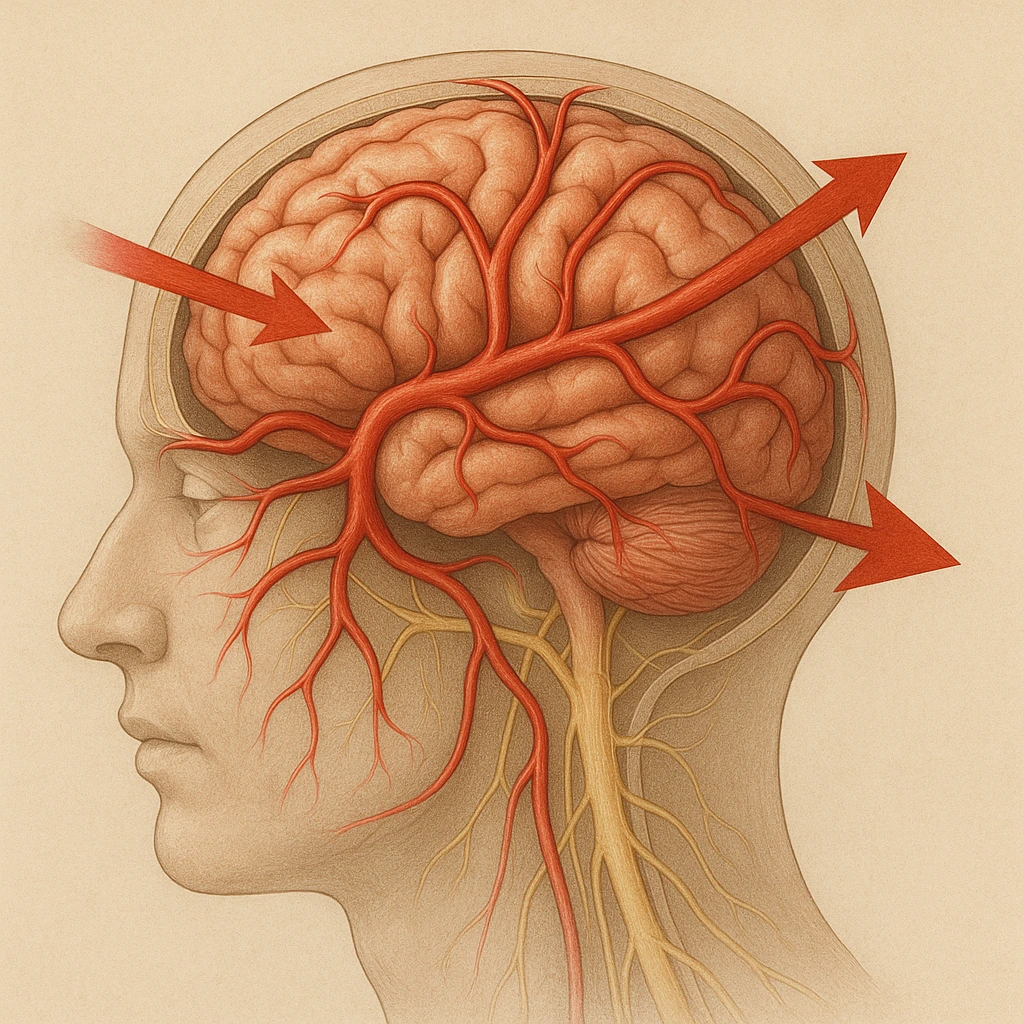
3. The Body Compensates by Expanding Blood Vessels
When glucose falls, the body tries to fix the problem by increasing blood volume so more glucose can reach the brain.
To do this, it expands the blood vessels.
Sounds helpful, right?
But over time, these bulging blood vessels repeatedly press on nerves, which is exactly what causes the throbbing migraine pain.
This was the “aha moment” for me.
My CGM didn’t just show me numbers — it showed me why my head hurt.
What Was Triggering My Blood Sugar Drops?
Food, drinks, and habits that secretly set off the migraines

1. Caffeine: The Sneaky Migraine Multiplier
Avoid caffeine.
Here’s why it made sense in my CGM story:
- Caffeine can cause rapid glucose drops
- It narrows blood vessels temporarily
- When it wears off, blood vessels expand back quickly — triggering migraines
For years, I blamed stress for my headaches… but it was often the coffee I drank because of the stress.
2. Fake Foods and Overly Fatty Foods
Highly processed foods (“fake foods”) spike glucose unnaturally — and then crash it just as fast.
Overly fatty foods slow digestion, delaying glucose release into the bloodstream. That delayed drop often hit me at night… exactly when my migraines usually came.
Food quality mattered far more than I ever imagined.
3. Alkaline, Mineralized Water
alkaline mineral water can help — and in my case, it did.
Dehydration thickens the blood, reducing glucose delivery to the brain.
Mineralized alkaline water seemed to:
- support hydration
- stabilize mood
- reduce the severity of blood sugar crashes
It wasn’t a cure… but it was surprisingly supportive.
Could Parasites Be Part of the Migraine Puzzle?

This part shocked me, was Strongyloides stercoralis and other parasites that trigger migraine.
Why does this matter?
Parasites can:
- interfere with nutrient absorption
- disrupt blood sugar regulation
- cause chronic inflammation
- weaken the liver (another major migraine trigger)
In my own wellness work, I’ve seen clients whose unexplained migraines vanished once parasites were addressed.
It’s not the first thing people think of — but it’s definitely part of the bigger picture.
What I Learned from Investigating My Migraines
My CGM taught me something powerful:
Migraines aren’t always a head problem — they are often a blood sugar problem.
Every spike → every crash → every vessel expanding → every nerve inflamed
…it was all linked.
Here’s what reduced my headaches dramatically:
- avoiding caffeine
- cutting fake foods
- reducing overly fatty meals
- drinking alkaline mineral water
- stabilizing blood sugar through mindful eating
- addressing parasites when present
Most importantly, understanding the timing of my blood sugar shifts helped me predict and prevent migraines before they hit.
Final Thoughts
Migraines are not just random episodes of pain. They’re signals — very loud ones — from a brain not getting the steady glucose supply it needs.
If migraines have been ruining your days, disrupting your work, or making you fear your next meal… consider tracking your blood sugar.
The next breakthrough in your health may not come from a pill — but from understanding the numbers your body has been trying to show you all along.