Tanya was just 4 months old when eczema began spreading across her body. Her skin would crack, bleed, and often become infected. We noticed it worsened outdoors—especially when exposed to environmental allergens like sunlight, heat, and grass. The itching intensified, and despite trying several creams prescribed by doctors, nothing brought lasting relief. It became clear that Tanya was suffering from environmental allergies and intolerances, reacting to even small triggers in her surroundings.
A friend recommended NAET, and we decided to give it a try. Watching her receive treatment for sensitivities to natural elements such as sunlight, heat, and grass was truly amazing. Over time, her skin began to heal. Now, instead of her whole body, only a small spot on her thumb occasionally bothers her.
-Parents of Tanya
Allergies plague most people at one time or another. For some, it is an annoying runny nose. Then, others, it is the inability to live outside of a special room. For a few, it is sudden death.
More UAE residents are undergoing tests to determine their food allergies and intolerances, according to a private clinic.
“I see more than 100 patients a month with an allergy or food intolerance symptoms and that number is rising,” said Dr Maria Ridao Alonso, Managing and Medical Director, Dubai Herbal and Treatment Centre. These intolerances may not trigger full allergic reactions but can still severely affect a person’s quality of life if left undiagnosed.
Source: Gulf Published: 21:00 July 24, 2013
What could cause our immune systems to perform in such an abnormal way?
Unlike allergies, which involve an immune system response, intolerance do not trigger IgE antibodies but still cause uncomfortable symptoms—especially when the body struggles to digest or handle certain substances.
For people with allergies or intolerances, their immune systems or digestion may overreact and even when relatively harmless substances, such as proteins we are eating, breathing or coming in contact with.
The severity of an allergic reaction can vary from mild discomfort to life-threatening situations. Allergens can stimulate an immune response when you breathe in or touch the allergen, or by ingestion of food or beverage, or from injections of medication.
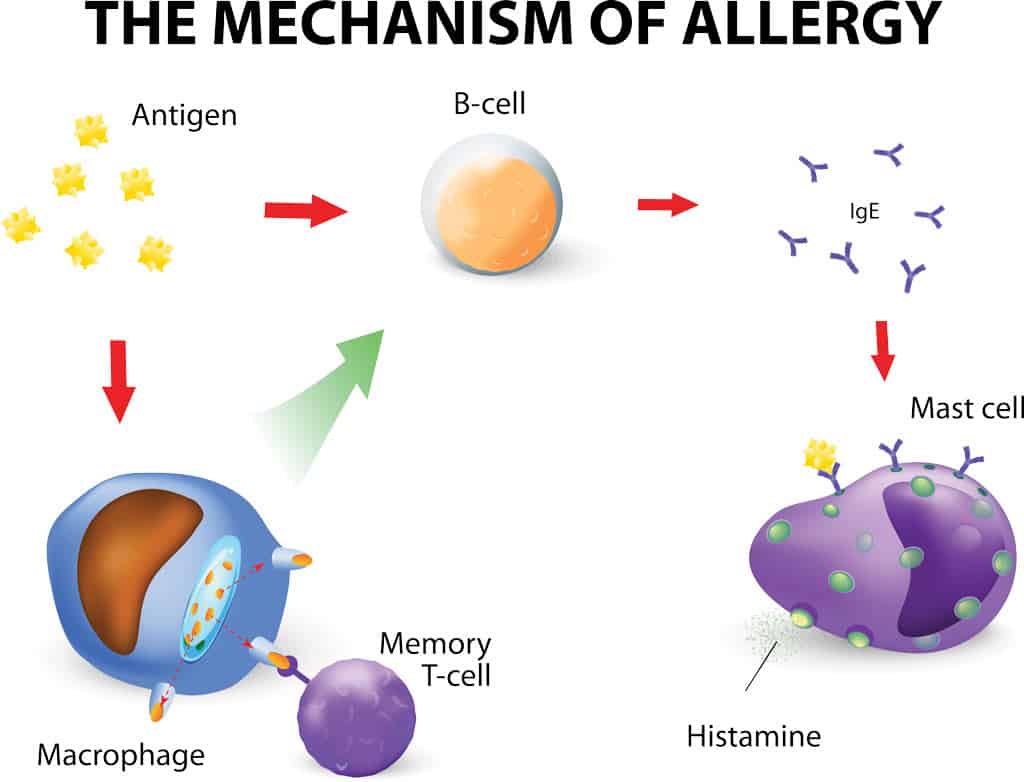
Antibodies (also known as immunoglobulins, abbreviated Ig) are gamma globulin proteins that are found in blood or other bodily fluids of vertebrates and are used by the immune system to identify and neutralize foreign objects, such as bacteria and viruses. Antibodies are produced by a kind of white blood cell called a plasma cell.
In placental mammals, there are five antibody isotypes known as IgA, IgD, IgE, IgG, and IgM. They are each named with an “Ig” prefix that stands for immunoglobulin, another name for antibody, and differ in their biological properties, functional locations and ability to deal with different antigens.
| IgA: Found in mucosal areas, such as the gut, respiratory tract and urogenital tract, and prevents colonization by pathogens. Also found in saliva, tears, and breast milk. |
| IgD: Functions mainly as an antigen receptor on B cells that have not been exposed to antigens. It has been shown to activate basophils and mast cells to produce antimicrobial factors. |
| IgE: Binds to allergens and triggers histamine release from mast cells and basophils, and is involved in allergy. Also protects against parasitic worms. |
| IgG: In its four forms, provides the majority of antibody-based immunity against invading pathogens. The only antibody capable of crossing the placenta to give passive immunity to fetus. |
| IgM: Expressed on the surface of B cells and in a secreted form with very high avidity. Eliminates pathogens in the early stages of B cell mediated (humoral) immunity before there is sufficient IgG. |
Note that IgE is prominent in allergy, while IgG is often linked to food intolerance.
A 2-minute video explaining the difference between allergies (IgE) and intolerances (IgG.
Traditional medicine focuses on the information given above and uses a variety of drugs like antihistamines, decongestants, and steroids to mitigate the symptoms of allergies. Sometimes avoidance of the allergen and/or “allergy shots” are used to attempt to desensitize patients.
The human body is designed so that NO complete protein will be absorbed into the system. The reason is that when the body makes a protein, it knows that it is not an enemy because it made it. However, when a protein that the body did not make is found, it is assumed that it is a foreign invader like a virus, bacteria, fungus, etc. Therefore it makes antibodies against that protein and attacks it with the purpose of destroying it.
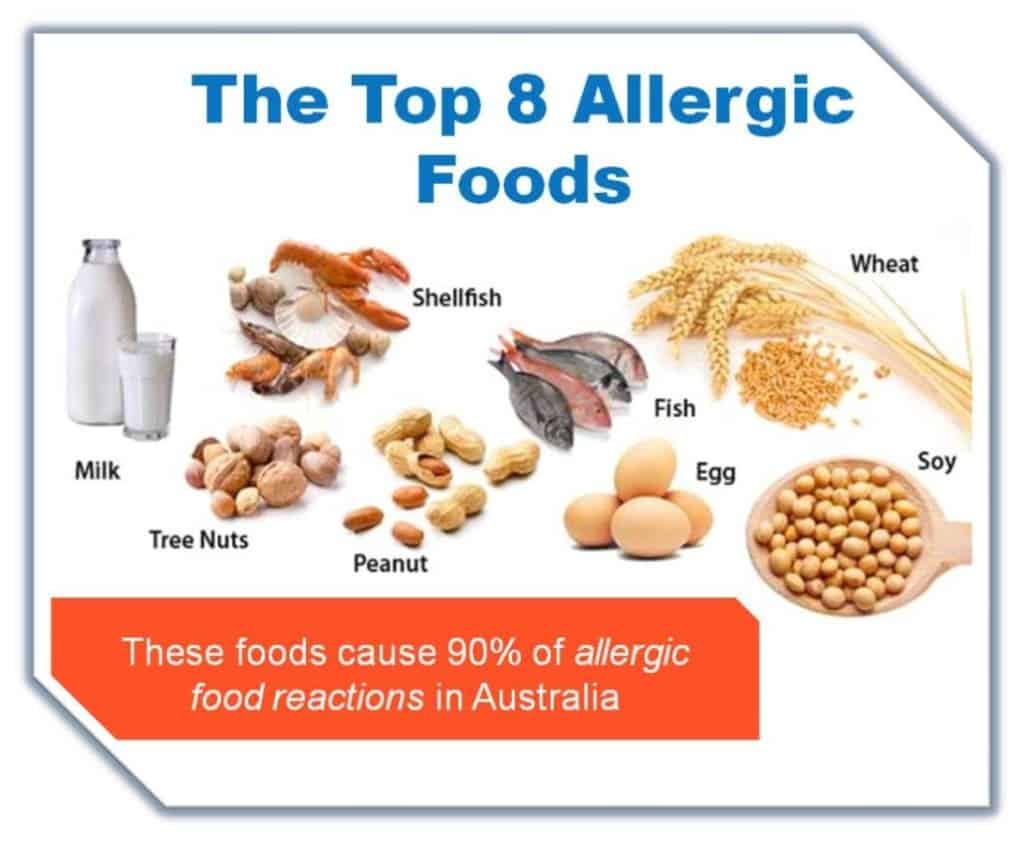
Food allergy or intolerance occurs when the body reacts to certain foods—either through the immune system or poor digestion. These reactions can even manifest on the skin, like acne. Read more about a surprising natural solution for acne.
Environmental Allergies, are your body’s response to substances you inhale at your home, school or workplace. They can be caused by dust, pollen, mold and mildew and cigarette smoke.
Pet Dander Allergy, a combination of dead skin cells and hair (or feathers), which can trigger asthma attacks and allergic reactions in people who are sensitive to the allergens.
Insect Sting typically results in pain, swelling, and redness confined to the sting site. More severe reactions include symptoms appearing over a wider area (for example, swelling of your whole arm if you were stung on your wrist) or affecting other parts of the body from where the sting occurred. Common insects involved include ants, bee, beetle, and mosquito.
Chemical Allergy, Common chemicals involved include cleaners, colognes, shampoo, soap, hair dyes, and personal care items.
Symptoms of a food allergy or intolerance can range from mild to severe, and the amount of food necessary to trigger a reaction varies from person to person. Symptoms of a food allergy may include:
Anaphylaxis is a very serious and potentially fatal allergic reaction that involves a sudden drop in blood pressure, loss of consciousness and body system failure.
Is an inflammation and obstruction of the bronchial tubes — the passages that allow air to enter and leave the lungs. During an asthma attack, the muscles that surround the bronchial tubes constrict, narrowing the air passages and making it extremely difficult to breathe. Other common symptoms are wheezing and a rattling sound in the chest.
Long-term control medications, many people with asthma need to take long-term control medications daily, even when they don’t have symptoms. There are several types of long-term control medications, including the following.
Inhaled corticosteroids, Inhalation corticosteroids are cortisone-like medicines. They are used to help prevent the symptoms of asthma. When used regularly every day, inhalation corticosteroids decrease the number and severity of asthma attacks.
Leukotriene modifiers are also called leukotriene receptor antagonists. These medicines are used for long-term control and prevention of asthma symptoms. Leukotrienes are substances made by your body that act as a trigger for an asthma attack. Blocking the action of leukotrienes helps prevent these attacks from occurring. These medicines are taken in pill form once every day.
Theophylline is used to treat lung diseases such as asthma and COPD (bronchitis, emphysema). It must be used regularly to prevent wheezing and shortness of breath. This medication belongs to a class of drugs known as xanthines.
It works in the airways by relaxing muscles, opening breathing passages, and decreasing the lungs’ response to irritants. Controlling symptoms of breathing problems can decrease time lost from work or school.
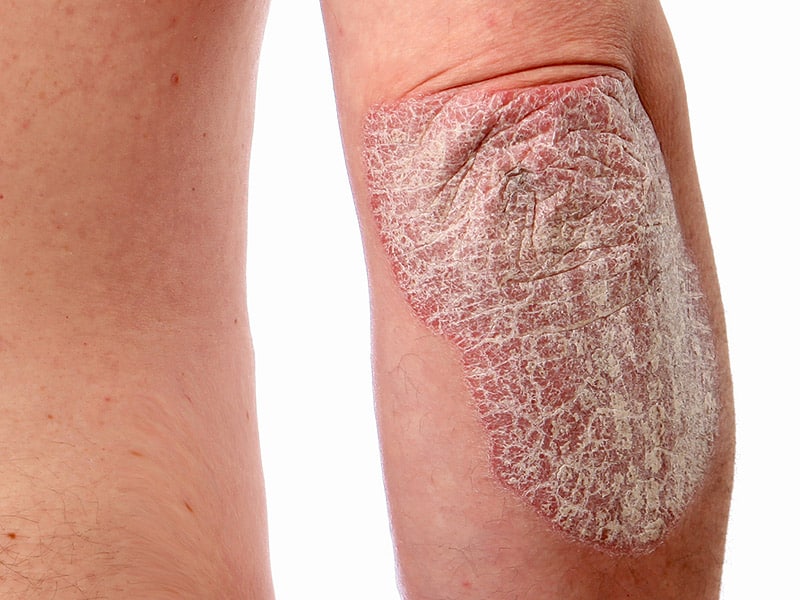
Is an autoimmune disease that causes raised, red, scaly patches to appear on the skin. It typically affects the outside of the elbows, knees or scalp, though it can appear on any location. Some people report that psoriasis is itchy, burns and stings.
Topicals, one of the most common approach is topical creams and moisturizer that are prescribed by your doctor after you’ve been diagnosed with psoriasis.
Soriatane (acitretin), is an oral retinoid, which is a synthetic form of vitamin A. Synthetic retinoids was approved in the U.S. in the 1980s. Soriatane is the only oral retinoid approved by the FDA specifically for treating psoriasis. Isotretinoin, another oral retinoid, is sometimes used instead of Soriatane to treat psoriasis.
The exact way that Soriatane works to control psoriasis is unknown. In general, retinoids affect how cells regulate their behavior. Retinoids help control the multiplication of cells, including the speed with which skin cells grow and shed, which increases in psoriasis.
Salicylic Acid, some doctors recommend salicylic acid ointment, which smoothes the skin by promoting the shedding of psoriatic scales.
Using salicylic acid over large areas of skin, however, may cause the body to absorb too much of the medication, leading to side effects. Salicylic acid may also cause irritation and weaken hair shafts, which can cause breakage and temporary hair loss. The effectiveness of these preparations are modest at best.
Calcipotriene -containing topical ointment. Calcipotriene, which is related to vitamin D, has proven to be effective for treating psoriasis, especially when combined with a topical corticosteroid cream. It’s best to use only limited amounts to avoid side effects.
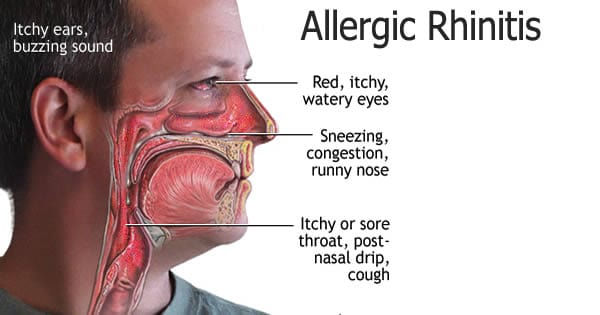
Doctors use this term to describe nasal inflammation that causes rhinorrhea (commonly known as a runny nose), congestion, nasal itching, sneezing, postnasal drainage, and, in some patients, eye symptoms such as watering eyes.These symptoms occur when you breathe in something you are allergic to, such as dust, animal dander, or pollen. Symptoms can also occur when you eat food that you are allergic to.
Saline nasal sprays. Use an over-the-counter nasal saline spray or homemade saltwater solution to flush the nose of irritants and help thin the mucus and soothe the membranes in your nose.
Corticosteroid nasal sprays. If decongestants or antihistamines don’t easily control your symptoms, your doctor may recommend a nonprescription corticosteroid nasal spray, such as fluticasone (Flonase) or triamcinolone (Nasacort).Prescription-only corticosteroid nasal sprays are also available.
Corticosteroid medications help prevent and treat inflammation associated with some types of nonallergic rhinitis. Possible side effects include nasal dryness, nosebleeds, headaches, and throat dryness.
Antihistamine nasal sprays. Try a prescription antihistamine spray such as azelastine (Astelin, Astepro) and olopatadine hydrochloride (Patanase). While oral antihistamines don’t seem to help nonallergic rhinitis, nasal sprays containing an antihistamine may reduce symptoms of nonallergic rhinitis.
Anti-drip anticholinergic nasal sprays. The prescription drug ipratropium (Atrovent) is often used as an asthma inhaler medication. But it’s now available as a nasal spray and can be helpful if a runny, drippy nose is your main complaint. Side effects may include nosebleeds and drying of the inside of your nose.
Oral decongestants. Available over-the-counter or by prescription, examples include pseudoephedrine-containing drugs (Sudafed) and phenylephrine (Afrin, Neo-Synephrine, others). These medications help narrow the blood vessels, reducing congestion in the nose. Possible side effects include high blood pressure, heart pounding (palpitations) and restlessness.
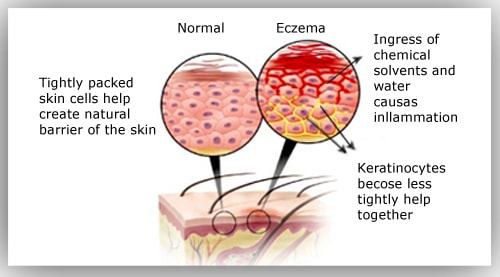
Is a genetic type of rash that makes the skin sensitive and extremely dry and rough. It is a general term for any superficial inflammatory process involving the epidermis. Eczema is a skin condition causing inflammation and intense irritation.
In the early stage, the skin primarily shows redness, itching, tiny papules and vesicles, along with weeping, oozing, and crusting. As it progresses, the skin begins to scale, thicken (lichenify), and often darken with pigmentation.
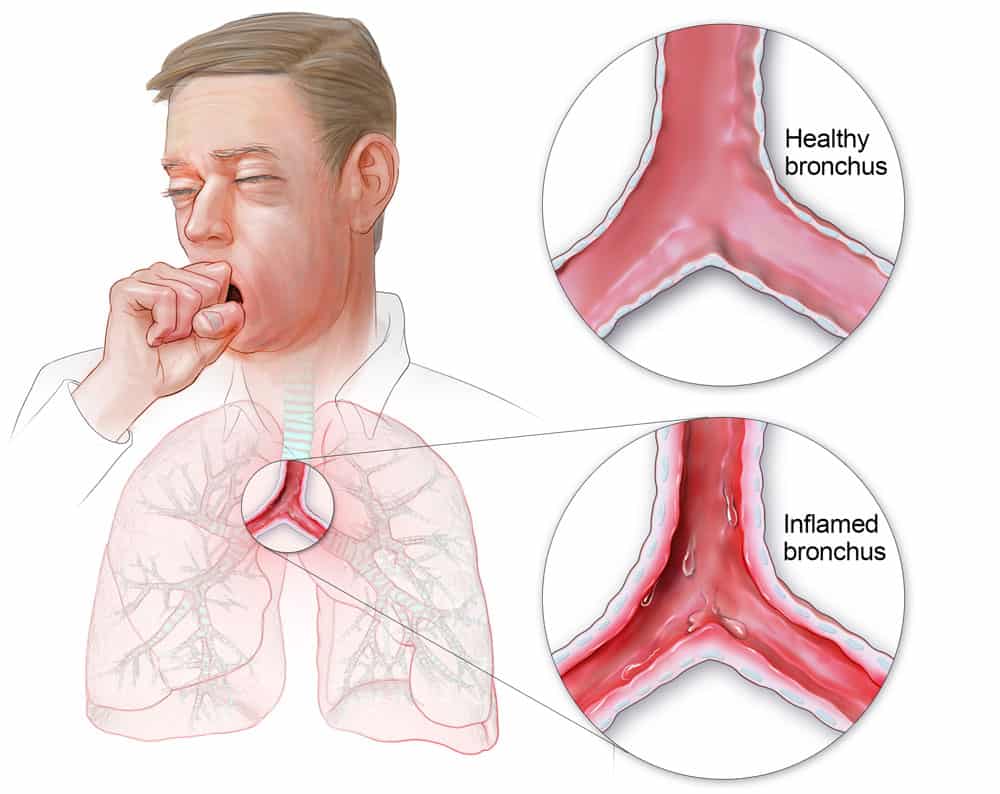
Is an inflammation or swelling of the bronchial tubes (bronchi), the air passages between the nose and the lungs.
In some circumstances, your doctor may prescribe medications, including:
If you have chronic bronchitis, you may benefit from pulmonary rehabilitation — a breathing exercise program in which a respiratory therapist teaches you how to breathe more easily and increase your ability to exercise.
When a food irritates your stomach or triggers symptoms without involving the immune system, that’s intolerance:
The most common food intolerance is lactose intolerance. It happens when people can’t digest lactose, a sugar found in milk and dairy. Another kind of intolerance is being sensitive to sulfites or other food additives. Sulfites can trigger asthma attacks in some people.
Amino acids make up proteins. Think of each amino acid as a Lego piece. When you build various structures with Legos, you create what we call proteins.
When you eat protein, your stomach acid breaks it down into amino acids. As the digested food reaches the small intestine, your body absorbs the amino acids to make and repair proteins. However, if your stomach doesn’t produce enough acid, your body absorbs whole or partially digested proteins in the small intestine.
Since the body didn’t make these proteins, it recognizes them as foreign. As a result, you become allergic to the foods you normally eat. About 20–40 minutes after each meal, your body senses an attack by a foreign protein and launches an immune response. It’s like experiencing a mini case of the flu after every meal
This is why so many people with food intolerances feel sleepy soon after they eat. They say, “I ate too much and it made me sleepy!” The reality is that their body is attacking the proteins they just ate.
The reason for this allergy is the lack of stomach acid. So why don’t you have enough stomach acid? Making stomach acid requires iodine, zinc, vitamin Bl, water, salt, and carbon dioxide. We don’t eat seaweed regularly and are deficient in iodine. The amount of iodine in table salt is about 1/1000 of what you need, there is no iodine in sea salt, and our soils are devoid of iodine.
About 80% of the population is deficient in zinc. Thus most people have allergies because they can’t make stomach acid! If the body uses one of the undigested proteins to form a cell, the immune system will still attack it.
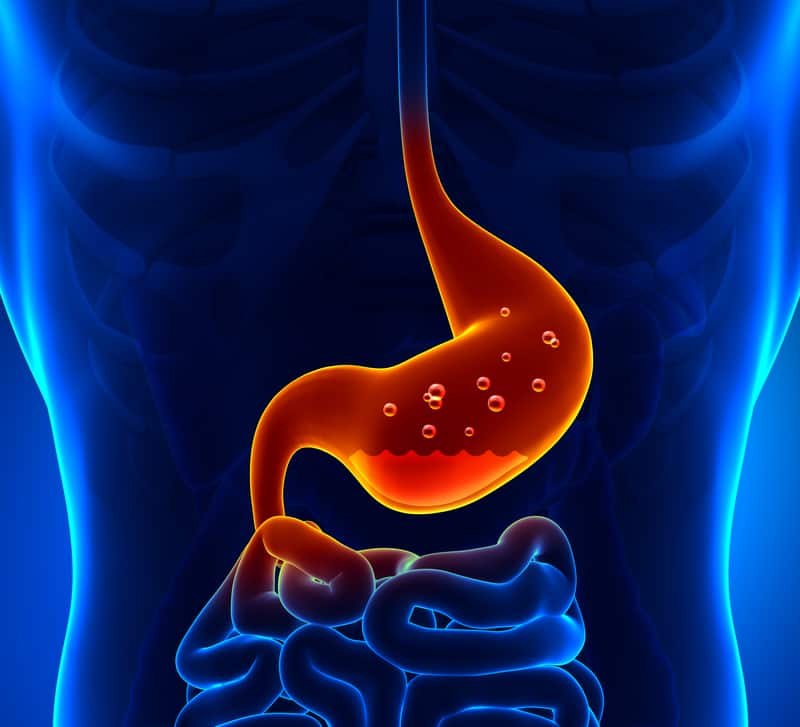
When your stomach doesn’t produce enough acid, it creates gas bubbles during digestion. Stomach acid coats these bubbles, much like soap coats a bubble. The gas either makes you belch or rises into your esophagus, allowing you to taste the acid. This acid burns your esophagus, causing discomfort or even sharp pain. Doctors call this condition GERD, or gastroesophageal reflux disease.
Since doctors assume you have too much stomach acid (and indeed, it’s in the wrong place—the esophagus), they prescribe antacids or drugs that stop acid production. Your GERD stops. However, now you are developing allergies since you can’t digest your proteins!
Without stomach acid, you can’t adsorb zinc even if you take it. Thus you will become deficient in zinc when you shut down stomach acid production if you weren’t deficient already. If you take drugs that shut down your stomach acid, you will become depressed because you can’t make serotonin.
You become a depressed person with allergies and chronic fatigue. You take antidepressant drugs, which provide temporary relief but increase the severity and frequency of depression over the long term.They also reduce your sexual performance and desire. Your spouse grows tired of your emotional ups and downs, your runny nose, migraine headaches, explosive diarrhea, and lack of sexual interest and performance.You can figure out the rest.
The drugs don’t solve the problem—they cover up the problem and create several more problems.
When your immune system is constantly in attack mode, it uses a lot of adrenalin. Soon your adrenals wear out. If you have allergies, recognize that your adrenals are likely tired and dysfunctional. To feel better, you may reach for CATS—Caffeine, Alcohol, Tobacco, and Sugar. These provide temporary relief but place extra stress on your adrenals. Avoid them to support your recovery.
this type of testing is the most common and is relatively painless. The practitioner places a very small amount of certain allergens into your skin by making a small indentation or ‘prick’ on its surface.
also known as a puncture or prick test: First, your doctor or nurse will look at the skin on your forearm or back and clean it with alcohol. They’ll mark and label areas on your skin with a pen. Then they’ll place a drop of a potential allergen on each of those spots. Next, they’ll prick the outer layer of your skin to let the allergen in. (It’s not a shot, and it won’t make you bleed.)
after they look at and clean your skin, the doctor or nurse will inject a small amount of allergen just under your skin.
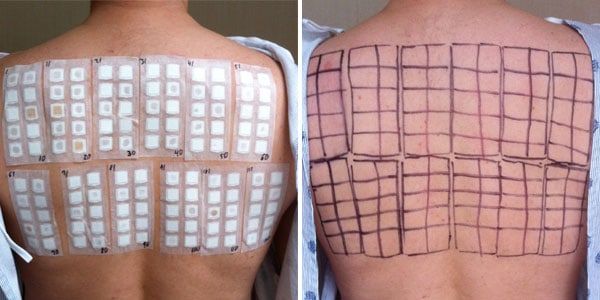
your doctor could put an allergen on a patch and then stick that on your arm or back.
Plan for an hour-long appointment. The pricking part of scratch and intradermal tests takes about 5 to 10 minutes. Then you’ll wait about 15 minutes to see how your skin reacts.
Patch tests take more time, and two visits to your doctor. You’ll have to wear a patch for about 48 hours in case you have a delayed reaction to the allergen.
You inhale or swallow a very small amount of an allergen. Doctors mostly perform challenges with potential food or medication allergies. A physician with specialized training and experience, such as an allergist, must closely supervise these procedures.
involve taking a blood sample, adding an allergen to the sample, and measuring the amount of immunoglobulin E (IgE) antibodies produced in response to the allergen. Types of allergy blood tests include the following:
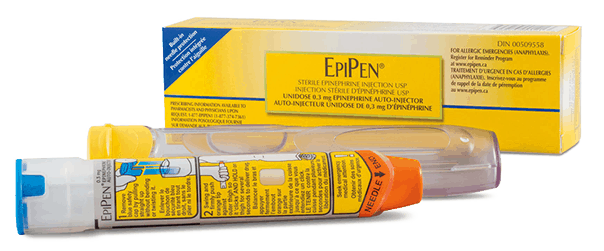
When a life-threatening allergic reaction occurs, you must immediately inject this hormone into the thigh to treat reactions such as hives, skin redness, throat tightness, breathing problems, and/or low blood pressure.
The EpiPen is only available through hospital pharmacies on prescription in large pharmacy chains. It costs between AED 400-600.
Allergic reactions to contacts can be different in each person and may include asthma, eczema, skin rashes, hives, sinusitis, cough, etc. It is apparent that something contacted by the skin can produce symptoms as devastating to the patient as anything ingested or inhaled.
We offer the prospect of relief to those who suffer from asthma, allergies, and intolerances by reprogramming the brain to perfect health. Just like rebooting a computer, we can reboot our nervous system to overcome the adverse reactions of brain and body.
To fully understand what we do, you need to know some Oriental medical principles because we developed our technique from these theories. We take the acupuncture and Oriental medical theories and a technique that can eliminate the reaction from the root.
Addictions can definitely cause illness. Continuous contact with an allergen produces toxins in the body and causes blockages in the meridians. If the body doesn’t clear these blockages, it often reacts to allergens with symptoms that mimic other diseases.
By clearing foods from the basic protocol, we strengthen the immune system, improve digestion and absorption. This allows the body to get the necessary nutrients, which are essential for life.
We clear one allergen per visit. Since each person has a unique genetic makeup and health history, the number of required sessions varies. Some people clear allergens immediately, while others need multiple sessions to achieve the desired results.
Some people might raise their eyebrows and ask, “Can you really eliminate my Psoriasis?” We answer with a resounding “YES!”
Had I not been so desperate, I never would have tried anything as far fetched sounding as NAET® and I would either be dead or still on 4 prophylactic asthma-allergy medications. Even with that I was unable to go anywhere without rescue inhalers & epinephrine (which I used many times a day) and was constantly sick. My first two hospitalizations for pneumonia were when I was under 1 year of age & was in an iron lung.
Asthma, bronchitis, and pneumonia plagued me throughout my childhood. But in my mid-forties, the worst symptoms began. My throat would close immediately with even minimal exposure to molds, perfumes, certain soaps, shampoos, or tobacco. I couldn’t go to the theater or use public transportation. When I had to travel by air, I brought a gas mask. Constant infections and repeated use of steroids took a heavy toll on my health.
After NAET® treatments, I can tolerate what would have been life-threatening situations, am off of all of my asthma and allergy medications, am no longer sick all the time, and have much fuller life. My pulmonologist was shocked by the results. He performed breathing tests before and after the treatments and said the results showed my lifelong asthma had completely disappeared. He said he had never seen anything like it before.
I am now finishing the last of my treatments and am extremely grateful. I am shocked that NAET® is not more well-known and accepted. NAET® is a miracle.
Sincerely,
Judy Robbins-Rosenberger
15 Oakley Road
White Plains, NY 10606
Connect with us through our Facebook page at www.facebook.com/NAETDubai or visit: www.naetdubai.com. You will find a wealth of information here along with an opportunity to speak confidentially through WhatsApp 056-639 0197 or Phone Call 04-420 1633.
You may also email us at admin@naetdubai.com
Key Takeaways Eczema can significantly impact self-esteem and daily activities, as described by a nursing…
Insect bites and allergic reactions Insect bites and allergic reactions are common occurrences that can…
Insect bites are red lumps or scratches caused by insects. This happens when insects inject…
I'm sure many of us at some point have turned to Google and searched WebMD…
When My Migraine Wasn’t “Just a Migraine”: The Blood Sugar Story My CGM Revealed For…
Having always been passionate about staying active, discovering I had exercise-induced asthma was a major…



View Comments
Wow! Thank you! I continuously needed to write on my site something like that. Can I implement a portion of your post to my website?
Hi, thank you for visiting our sites. Appreciated it very much. We are looking forward to hearing from you on our next blogs. Feel free to contact us if you need any further information.
Hi, thank you for your comment. Appreciated it very much. And also don’t forget to subscribe to our blogs and feel free to contact us if you need any further information.
Hi. Thank you for your support and positive comment. Please don’t forget to subscribe to our blogs. Feel free to contact us if you need any further information.
Hi, thank you for visiting our site. We are looking forward to hearing from you on our next blogs. Please don’t forget to subscribe to our blog and you will receive mails once we published new blogs. Feel free to contact us if you need any further information.
Thank you for your comment. We are glad to be of service. We are looking forward to hearing from you on our next blogs. Please don’t forget to subscribe to our blog and you will receive mails once we published new blogs. Feel free to contact us if you need any further information.
Thank you :) Please don’t forget to subscribe to our blog and you will receive mails once we published new blogs. Feel free to contact us if you need any further information. Cheers!
Hi Jim, thank you for including us in your blogroll :) . We are looking forward to hearing from you on our next blogs. Please don’t forget to subscribe to our blog and you will receive mails once we published new blogs.
Thank you for your comment :)
Hi Millard, that is an awesome comment! we had to wade through a lot of information to complete that article. Please don’t forget to subscribe to our blog and you will receive mails once we published new blogs. Feel free to contact us if you need any further information. ????